Real estate in Pune is no longer only about location, carpet area, and price. Today’s homebuyers are looking for spaces that improve their overall quality of life. This has given rise to wellness and lifestyle-led real estate, where homes are designed not just for living, but for better health, comfort, balance, and everyday experiences.
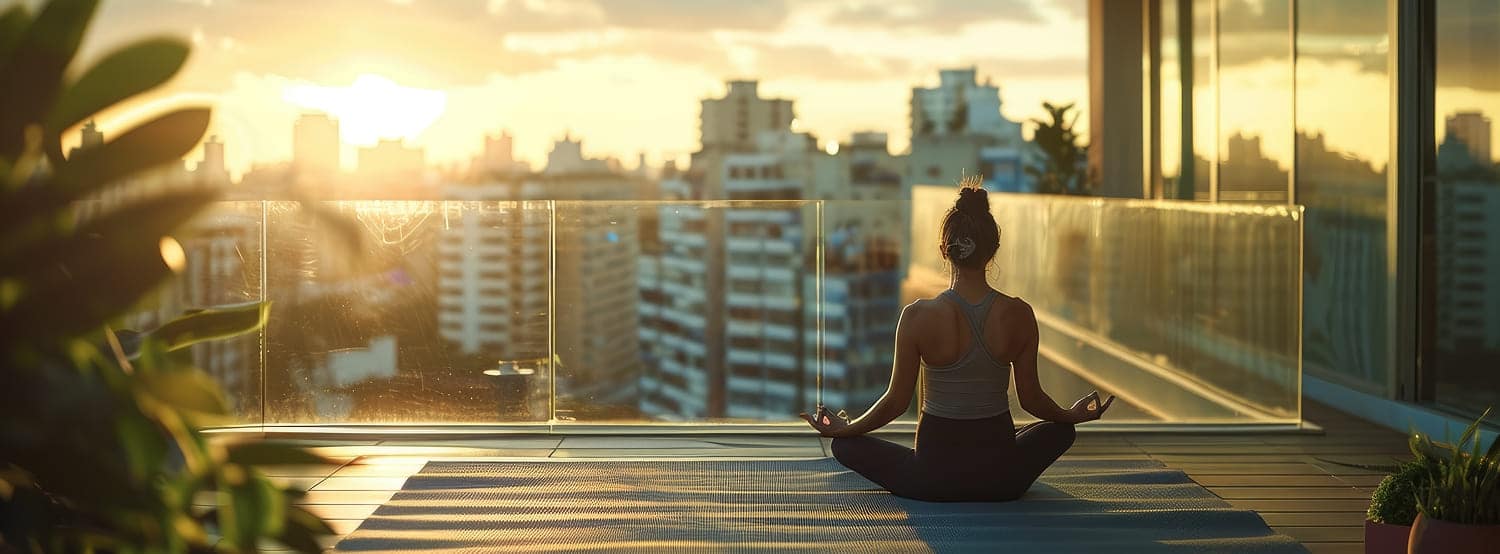
The modern buyer wants a home that supports both physical and mental well-being. Features such as open green spaces, walking tracks, yoga decks, meditation zones, natural ventilation, sunlight, low-density planning, and pollution-conscious design are becoming major decision-making factors. A project that offers healthier living now holds greater appeal than one that only provides standard amenities.
This shift is closely connected to lifestyle changes. Work-from-home culture, long working hours, urban stress, and increasing health awareness have made people rethink what they need from a home. A home is now expected to function as a workplace, fitness space, relaxation zone, family space, and social environment. Because of this, buyers are giving preference to new residential projects in Pune that offer a complete ecosystem.
Lifestyle-led real estate also focuses on convenience and experience. Clubhouses, swimming pools, co-working lounges, children’s play areas, senior citizen zones, sports courts, cafés, community spaces, and smart security systems are becoming essential parts of modern developments. These features help residents enjoy a more balanced and connected life without having to step far outside their community.
Pune real estate developers are responding to this demand by designing projects around themes such as resort living, nature living, community living, and wellness-focused living. The idea is to create a destination, not just a building. Buyers are attracted to projects that offer a distinct lifestyle promise, whether it is peaceful living, active living, luxury living, or family-centric living.
Wellness-led design also adds long-term value to a project. Homes that offer better air, light, greenery, privacy, and community comfort tend to remain more desirable over time. In a competitive market, these features help projects stand out and build stronger emotional appeal. Buyers may compare prices, but they remember how a project makes them feel.
This trend is especially visible among premium and upper-mid segment buyers across the Pune property market. They are willing to pay more for homes that offer better design, healthier surroundings, and lifestyle-enhancing amenities. For them, real estate is not just a Pune real estate investment in property, but an investment in everyday well-being.
The rise of wellness and lifestyle-led real estate shows how buyer priorities are evolving. The future of housing will belong to projects that understand people beyond square feet. Homes that offer comfort, health, convenience, and community will continue to shape the next phase of real estate growth for Pune property developers.